All-on-4 Dental Implant Problems: What You Must Know
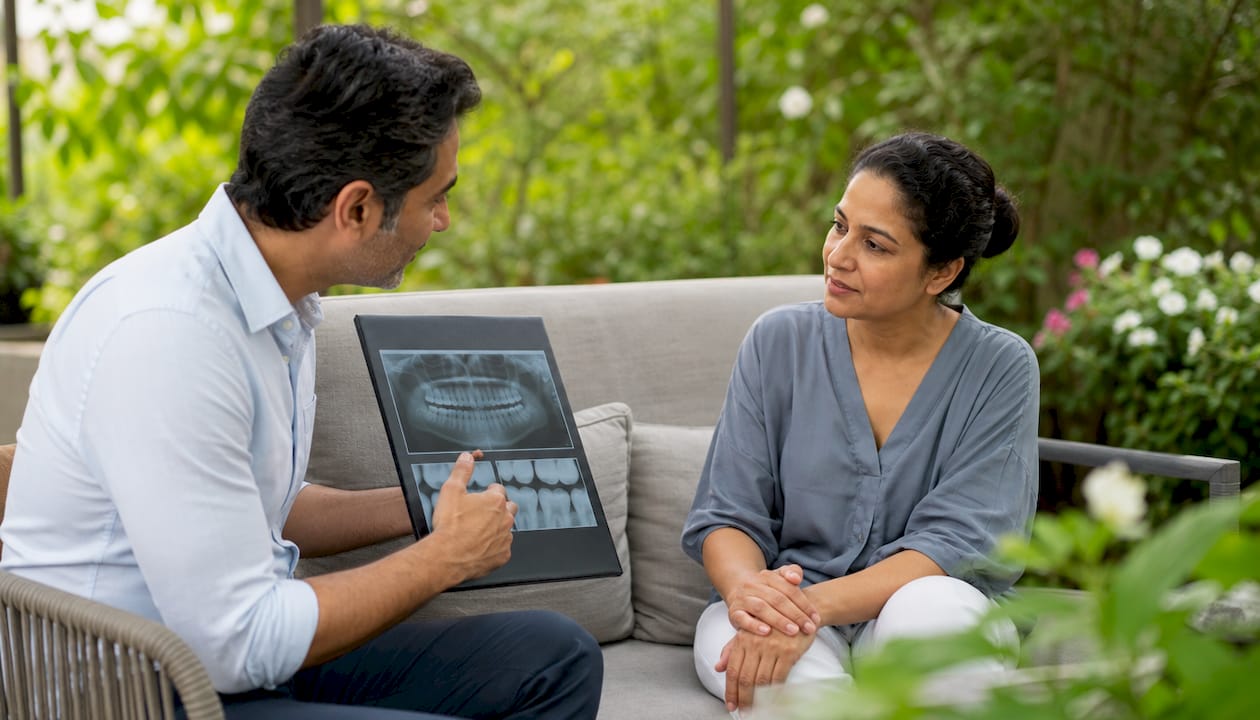
All-on-4 dental implants are defined as a full-arch fixed prosthetic system supported by exactly four titanium implants, and the problems with this procedure fall into three clear categories: mechanical failures, biological complications, and poor patient selection. The 10-year implant survival rate sits between 87% and 93%, which sounds reassuring until you realize prosthesis survival is measurably lower due to screw loosening and material fatigue. Patients researching what are the problems with all-on-4 dental implants deserve a direct answer before committing to an irreversible procedure. Implantveneerguide has reviewed the clinical evidence and patient experience data to give you that answer here.
What are the main problems with All-on-4 dental implants?
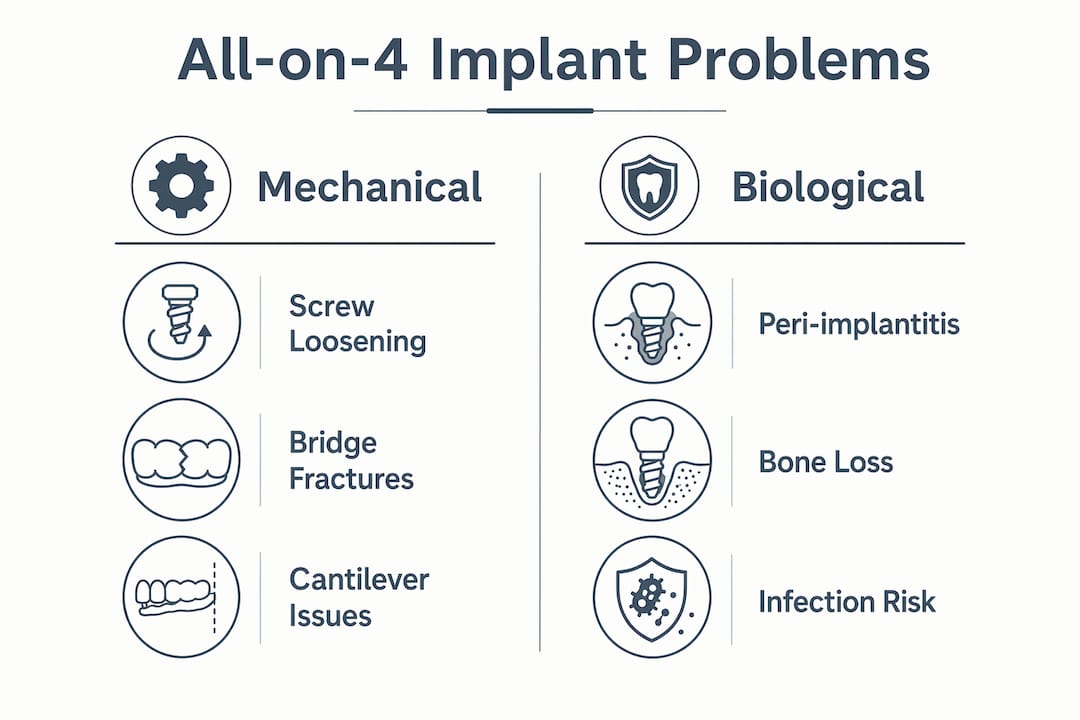
The most reported problems with All-on-4 dental implants cluster around three areas: hardware that breaks or loosens, infections that destroy bone, and procedures performed on patients who were not the right candidates. Each category carries distinct risks and timelines. Understanding all three before treatment is the only way to make a genuinely informed decision.
Mechanical failures tend to appear first, often within the first two years. Biological complications like peri-implantitis can develop years later and are harder to reverse. Patient selection errors cause the deepest regret because the bone reduction required for All-on-4 is irreversible, limiting future treatment options if the procedure fails. That combination of immediate hardware risk and long-term biological vulnerability is what drives most All-on-4 regrets.
What are the common mechanical problems with All-on-4 dental implants?
Mechanical failure is the most frequent complaint in All-on-4 dental implants reviews. The prosthetic bridge connects to only four anchor points, which concentrates enormous bite force on a small number of screws and a single framework.
Screw loosening and bridge micro-movement
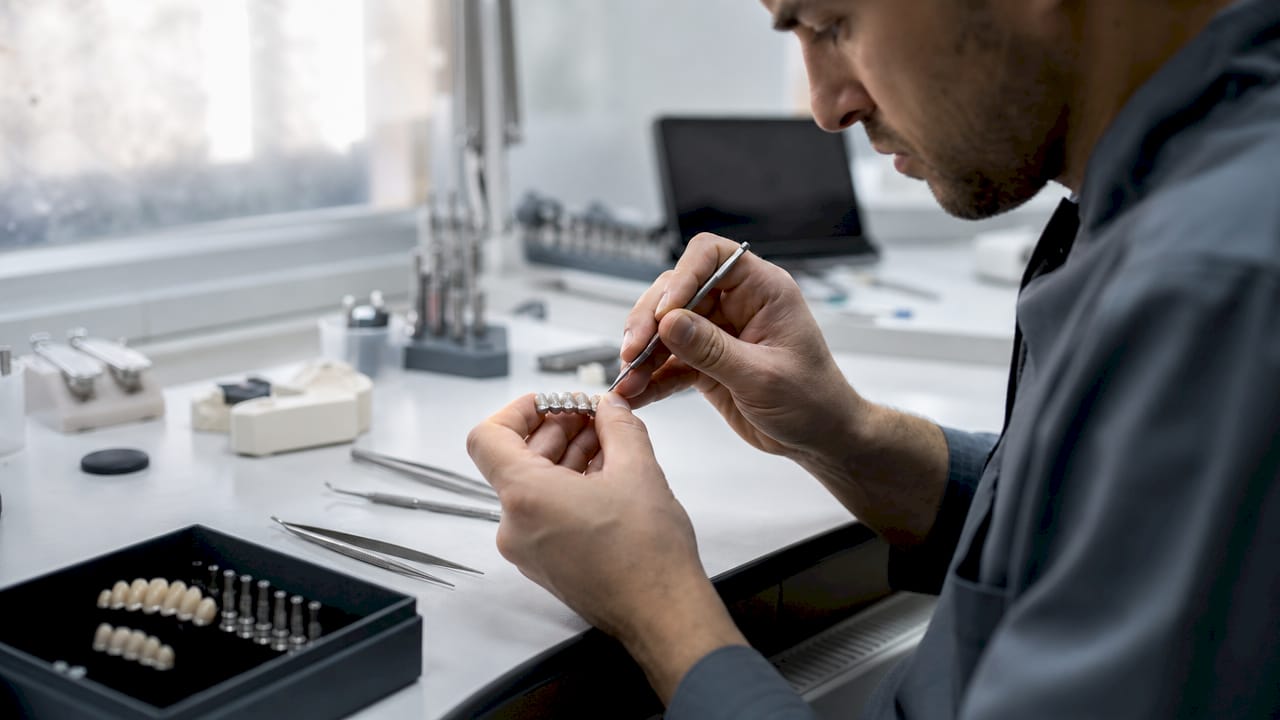
Screw loosening is the single most common mechanical complication. When a screw loosens even slightly, the bridge begins to micro-move under chewing forces. That movement creates stress concentration at the implant-to-abutment junction, which accelerates wear and can eventually crack the framework. Patients typically notice this as a clicking sound, a change in bite feel, or mild soreness around the implant sites.
Prosthetic fractures and cantilever length
Mechanical complications increase significantly when the bridge cantilever exceeds 15 mm. A cantilever is the unsupported extension of the bridge beyond the last implant, and longer extensions act like a lever arm that multiplies force on the screws and bone. Acrylic bridges fracture more easily than zirconia, but even zirconia frameworks crack when cantilever design is ignored. Prosthetic design parameters including cantilever length under 10–15 mm, occlusal scheme accuracy, and framework rigidity are the primary controls against this failure mode.
The role of bruxism and occlusal design
Unaddressed bruxism and a poorly designed occlusal scheme significantly increase screw loosening and bridge fractures. Bruxism, the habit of grinding or clenching teeth during sleep, generates forces that exceed normal chewing loads by a wide margin. Patients with bruxism who receive All-on-4 without a nightguard or adjusted occlusal design face a much higher rate of mechanical failure.
Key mechanical risk factors include:
- Cantilever extensions longer than 15 mm
- Undiagnosed or untreated bruxism
- Incorrect bite alignment at the time of bridge delivery
- Acrylic framework material in high-force posterior zones
- Delayed screw torque checks after initial loading
Pro Tip: Ask your surgeon specifically what cantilever length is planned for your bridge and whether a nightguard is included in your treatment protocol. Both questions separate thorough clinicians from those cutting corners.
Temporary bridges also deserve mention here. Temporary prosthetic bridges are bulkier than final zirconia restorations, which causes temporary speech and comfort issues. These resolve after the permanent bridge is fitted and are not a sign of implant failure. Patients who understand this distinction avoid unnecessary anxiety during the healing phase.
What biological complications affect All-on-4 implants?
Biological complications are slower to develop than mechanical ones but are far more destructive when they take hold. The most serious is peri-implantitis.
Peri-implantitis: the leading biological threat
Peri-implantitis is a leading cause of late implant failure, driven by aggressive bacterial biofilm accumulation around the implant surface. Natural teeth have a periodontal ligament that acts as a biological seal against bacteria. Implants lack this ligament entirely. That means bacteria can penetrate the implant-tissue interface more easily, triggering an inflammatory response that destroys supporting bone. The risks and complications of peri-implantitis are well documented: once bone loss begins, it progresses in a self-reinforcing cycle that is difficult to stop without surgical intervention.
Bone loss mechanisms
The immune response to bacterial biofilm releases enzymes that break down bone tissue directly. This bone loss deepens the pocket around the implant, which traps more bacteria, which triggers more immune response. Patients often feel no pain until significant bone has already been lost. By the time swelling or mobility appears, the damage may already compromise the implant’s stability.
Biological risk factors that increase peri-implantitis and bone loss include:
- Smoking, which doubles failure rates by restricting blood flow to healing tissue
- Uncontrolled diabetes, which impairs immune response and wound healing
- Poor oral hygiene habits after treatment
- Insufficient bone density at the time of surgery
- Early surgical trauma reducing primary implant stability
Smoking deserves particular emphasis. Vasoconstriction from nicotine reduces the blood supply that bone needs to fuse with the implant surface during osseointegration. Smokers who receive All-on-4 without cessation support face nearly twice the failure rate of non-smokers. Implantveneerguide covers the full evidence on smoking and implant outcomes for patients who want to understand this risk in depth.
What patient-related factors lead to All-on-4 regrets?
Patient selection is where many All-on-4 horror stories begin. The procedure is sometimes recommended to patients who still have restorable teeth or healthy bone that could support less invasive alternatives. That over-recommendation is a documented clinical concern.
Irreversible bone reduction
All-on-4 requires surgeons to reduce, meaning shave down, the jawbone to create a flat platform for the prosthetic bridge. This bone reduction is permanent. If the implants fail years later, the reduced bone volume makes re-treatment with standard implants significantly harder. Patients who were not fully informed about this consequence before surgery report the deepest regret.
The steps that protect against poor patient selection include:
- Obtain a CBCT scan before any treatment plan is finalized. Panoramic radiographs alone are insufficient for safe implant planning; CBCT provides the three-dimensional bone and anatomical data surgeons need.
- Request a second opinion from a clinician who has no financial stake in recommending All-on-4 specifically.
- Ask whether any of your remaining teeth are restorable. All-on-4 is a last-resort treatment for patients with failing dentition, not a first option for patients with salvageable teeth.
- Disclose all systemic health conditions, including diabetes, osteoporosis, and any medications that affect bone density.
- Commit to a smoking cessation program before surgery if you currently smoke.
Pro Tip: Review your patient journey options before your first consultation. Patients who arrive informed ask better questions and receive more thorough treatment plans.
Clinicians note that All-on-4 is frequently over-recommended as a solution when less invasive options exist. The irreversibility of the bone reduction means that a rushed or poorly motivated recommendation carries consequences that last a lifetime.
How can patients manage All-on-4 problems long term?
Most All-on-4 failures are not inevitable. The fundamental cause of most failures is inadequate follow-up maintenance, which allows early problems like screw loosening or peri-implantitis to progress unchecked. A structured maintenance plan is not optional; it is the primary defense against complications.
Maintenance schedule and early warning signs
Professional cleaning every 3–6 months and annual radiographic evaluation are the clinical standard for All-on-4 aftercare. These appointments allow clinicians to catch screw loosening before it causes bone stress, detect early peri-implantitis before bone loss becomes significant, and adjust the occlusal scheme if bite changes develop over time.
Early warning signs that require immediate clinical attention include:
- Swelling, redness, or bleeding around implant sites
- A clicking or rocking sensation when biting
- Noticeable change in how the upper and lower teeth meet
- Persistent bad breath that does not respond to hygiene
- Any visible crack or chip in the prosthetic bridge
Patients who travel abroad for treatment face a specific aftercare challenge. Dental tourism can reduce upfront costs, but the treating clinic is often unavailable for follow-up. Patients in this situation need a local dentist who is experienced with full-arch implant maintenance before they travel, not after a problem appears.
Pro Tip: Use the recovery timeline guide from Implantveneerguide to set realistic healing milestones and know exactly when to contact your clinician.
Smoking cessation before and after surgery is the single most modifiable risk factor a patient controls directly. Stopping smoking improves blood supply, supports osseointegration, and lowers infection risk at every stage of the treatment timeline.
Key Takeaways
All-on-4 dental implants carry real, specific risks that are manageable with the right patient selection, surgical planning, and long-term maintenance.
| Point | Details |
|---|---|
| Mechanical failures are common | Screw loosening and bridge fractures increase sharply when cantilever length exceeds 15 mm. |
| Peri-implantitis destroys bone silently | Bacterial biofilm causes progressive bone loss with no pain until damage is advanced. |
| Smoking nearly doubles failure risk | Nicotine restricts blood flow, impairing osseointegration and raising infection rates. |
| Bone reduction is irreversible | Bone resection during surgery limits re-treatment options if implants fail later. |
| Maintenance prevents most failures | Professional cleanings every 3–6 months and annual X-rays catch problems before they escalate. |
What I’ve learned from watching All-on-4 cases go wrong
After years of reviewing clinical evidence and patient accounts across full-arch implant cases, the pattern that stands out most is not surgical error. It is the gap between what patients are told before treatment and what they experience afterward.
The surgery itself, when performed by a skilled clinician on a well-selected patient, delivers good results. The failures I see documented most often trace back to two moments: the consultation, where the procedure was recommended without thorough candidacy screening, and the months after surgery, where follow-up was skipped or unavailable. Those two gaps account for a disproportionate share of All-on-4 regrets.
The psychological weight of an irreversible procedure is also underestimated. Patients who later discover their teeth were restorable, or that a less invasive option existed, carry a specific kind of regret that is hard to address clinically. That is why I believe the consultation is the most important part of the entire process. A clinician who spends real time on CBCT analysis, occlusal planning, and honest candidacy assessment is worth far more than one who moves quickly to a treatment agreement.
My advice to anyone researching this procedure: read the patient decision scenarios from people who have been through it. The patterns in their experiences are more instructive than any brochure. And if a clinician cannot clearly explain the cantilever length, the maintenance schedule, and what happens if the procedure fails, that is a signal to seek a second opinion before signing anything.
— Georgina
What Implantveneerguide offers before you decide
Deciding whether All-on-4 is right for you requires more than a single consultation. Implantveneerguide provides evidence-based tools and guides built specifically for patients at this stage of research.
The Dental Implant Candidacy Checker walks you through a structured risk assessment based on your health history, bone condition, and lifestyle factors. It takes minutes and gives you a clearer picture of your suitability before you sit across from a surgeon. The platform also offers a full procedures overview comparing All-on-4 with alternative full-arch and single-implant options, so you can evaluate what fits your situation rather than accepting the first recommendation you receive. Every guide on Implantveneerguide is built on peer-reviewed evidence, not marketing copy.
FAQ
What is the lifespan of All-on-4 dental implants?
The implants themselves have a 10-year survival rate between 87% and 93%, but the prosthetic bridge typically requires repair or replacement sooner due to mechanical wear.
Can food get trapped under All-on-4 bridges?
Yes. Food debris accumulates in the space between the bridge and the gum tissue, making specialized cleaning tools like water flossers and interdental brushes necessary for daily hygiene.
Are All-on-4 implants worth it for patients with bruxism?
Bruxism significantly raises the risk of screw loosening and bridge fractures in All-on-4 cases. Patients with bruxism need a nightguard and a carefully designed occlusal scheme to reduce that risk before the procedure is appropriate.
What are the alternatives to All-on-4?
Alternatives include All-on-6 implant systems, implant-supported overdentures, and in some cases, restoration of remaining natural teeth. The right option depends on bone volume, systemic health, and how many teeth remain salvageable.
How do I know if my All-on-4 implant is failing?
Early signs include swelling or bleeding around implant sites, a rocking or clicking sensation when biting, bite changes, and persistent bad breath. Any of these symptoms require an immediate clinical evaluation.