$500–$1,500 Mini Dental Implant Costs: Itemized Totals & Quote Checklist
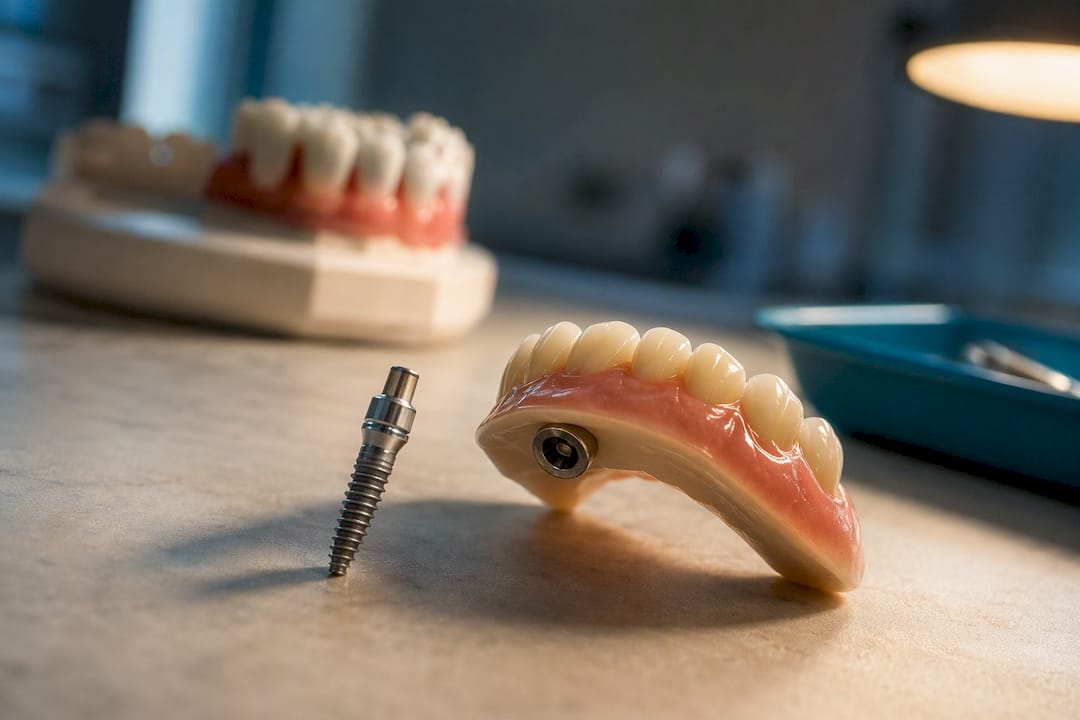
Mini dental implants typically cost $500 to $1,500 per implant, and a four-implant denture-stabilization case commonly runs $2,000 to $4,500 total. That per-implant figure rarely covers the final crown, denture adjustment, or lab fees. Before comparing quotes, ask every provider for one itemized total, not just a price per post.
TL;DR:
- A single mini implant costs between $500 and $1,500, but total case prices typically range from $2,000 to over $4,500 depending on the number of implants and procedures.
- Costs vary based on provider experience, the complexity of the case, necessary imaging, and whether the procedure involves grafting or complex denture retie-ins.
- Lower quotes may omit hardware, adjustments, or follow-up visits, so always ask for an itemized total to compare accurately.
- Mini implants are most suitable for denture stabilization and narrow ridges, whereas traditional implants are better for heavier bite forces and full-mouth replacements.
- Proper candidacy depends on bone density and bite alignment; confirm these factors before proceeding to ensure implant success and anticipated costs.
Table of Contents
- How Much Do Mini Dental Implants Cost by Case Type?
- What Drives the Price of Mini Implants Up or Down?
- Mini Implants vs. Traditional Implants: Is the Savings Worth It?
- How Do You Get an Accurate Mini Implant Quote?
- Will Insurance or Financing Cover the Cost?
- What Does the Clinical Evidence Say About Candidacy?
- A Straight Answer on What Actually Surprises Patients
- Prepare for Your Consultation With Real Numbers, Not Guesses
- Sources
How Much Do Mini Dental Implants Cost by Case Type?
Quoted prices in this category almost always refer to the implant post itself, not the finished restoration sitting on top of it. That distinction explains most of the sticker shock patients report after their first consultation.
A single mini implant typically runs $500 to $1,500, and that fee usually covers the implant post, the surgical placement, and sometimes the O-ring attachment that snaps a denture into place. The crown or denture adjustment that goes on top is billed separately in most practices.
Here’s how the numbers usually stack up across common scenarios:
| Case type | Typical total cost | What’s usually included |
|---|---|---|
| Single mini implant (post only) | $500–$1,500 | Implant, surgical placement |
| Single tooth with crown | approximately one thousand two hundred to under three thousand dollars | Implant, abutment/attachment, crown |
| 2-implant lower denture stabilization | about two thousand to just over three thousand dollars | Implants, O-ring attachments, denture retrofit |
| 4-implant lower denture stabilization | about two thousand to mid four-thousand dollars | Implants, attachments, denture adjustment |
- Provider type matters: oral surgeons and periodontists often charge more per implant than general dentists who place minis routinely.
- Dental school clinics frequently offer the same procedure at a discount since supervised students perform the work under faculty oversight.
- Package pricing, where a practice bundles implants, attachments, and a denture reline into one flat fee, tends to run lower than paying for each line item separately.
None of these ranges include X-rays, sedation, or follow-up adjustments. Ask for those upfront.
What Drives the Price of Mini Implants Up or Down?
Cost spread in this category comes down to four variables, and understanding them helps you figure out whether a low quote is a genuine deal or a sign of corners being cut.
- Number of implants and denture complexity. Retrofitting an existing denture with new attachments costs less than fabricating a brand-new one from scratch.
- Bone quality and imaging needs. Patients with thinner jawbone density may need a CBCT scan or a bone graft, both billed separately and both capable of adding hundreds of dollars.
- Provider experience level. A dentist who has placed hundreds of mini implants may charge more per unit than a newer provider, but case volume often correlates with fewer complications.
- Lab fees and loading protocol. Immediate-load cases, where a denture gets attached the same day, can cost more upfront but save you a second round of lab work and a follow-up visit.
Device brand plays a role too. Manufacturers like Sterngold sell mini implant components at wholesale prices that let clinics pass along savings, which is part of why minis undercut traditional implants so consistently.
Pro Tip: If a quote seems unusually low, ask specifically whether it includes the attachment hardware and the denture adjustment. A “$400 implant” that excludes both isn’t actually cheaper than a $1,200 all-in quote.
Mini Implants vs. Traditional Implants: Is the Savings Worth It?
Mini implants run $500 to $1,500 per unit. Standard implants, which use a wider post and typically require a separate abutment piece and healing period, often cost $3,000 to $4,500 per tooth once the abutment and crown are factored in. That gap narrows fast in cases needing extra procedures.
- Minis skip the separate abutment step that standard implants require, since most mini systems use a one-piece design with the attachment built in.
- Standard implants generally handle heavier bite forces better, making them the more durable choice for single back-tooth replacement.
- Minis work well for denture stabilization and narrow ridges where a full-diameter implant wouldn’t fit without grafting.
- If your case needs a bone graft either way, the cost advantage of choosing minis largely disappears, since grafting fees apply regardless of implant type.
Lower cost doesn’t mean lower quality; most minis use the same medical-grade titanium as standard implants. The savings come from simpler placement, not cheaper materials.
How Do You Get an Accurate Mini Implant Quote?
Walking into a consultation without a plan is how patients end up comparing quotes that aren’t actually comparable. Here’s what to ask for:
- Request one “total treatment plan” estimate that itemizes the implant post, attachment hardware, denture adjustment, imaging, and any follow-up visits as separate line items.
- Ask how many mini implant cases the provider has completed and what their typical outcomes look like, since case volume is a reasonable proxy for comfort with the procedure.
- Clarify whether the price is a package or itemized quote, and confirm what triggers an additional charge, such as an unexpected extraction.
- Confirm what happens if something needs adjusting, including whether follow-up visits, emergency repairs, or a warranty on the implant hardware are included in the original price.
A provider who hesitates to give you a written, itemized plan is a provider worth getting a second opinion on.
Will Insurance or Financing Cover the Cost?
Most dental insurance plans treat implants, including minis, as a major restorative procedure subject to an annual maximum, often $1,000 to $2,000 a year. That cap frequently gets exhausted well before a multi-implant case is paid off, and some plans exclude implants entirely as cosmetic.
- Financing plans structured like CareCredit’s promotional offers can turn a $3,000 case into manageable monthly payments, but deferred-interest terms mean unpaid balances can accrue retroactive interest if not cleared within the promotional window.
- Dental school clinics and bundled package pricing remain two of the more reliable ways to lower the total bill without sacrificing implant quality.
- HSA and FSA funds typically apply to implant procedures, since they qualify as medical expenses rather than purely cosmetic ones.
- If you’re weighing implants against other tooth-replacement routes without coverage, it helps to review what implants without insurance actually cost before committing to a payment plan.
What Does the Clinical Evidence Say About Candidacy?
Cost only matters if the procedure is appropriate for your mouth in the first place. Clinical literature on implant dentistry, summarized in NCBI’s overview of implant indications, notes that mini implants work well for denture stabilization and narrow-arch cases but aren’t a universal substitute for full-diameter implants where heavier bite forces are involved.
Bone density is one of the clearest predictors of implant success. Patients with lower bone density may need grafting or a different implant approach entirely, and a formal bone density evaluation before treatment helps avoid a failed placement down the line.
Implantveneerguide built its candidacy checker and cost estimator around this exact gap. Editorial content on the site draws from peer-reviewed sources rather than manufacturer marketing, and both tools exist to help you walk into a consultation already knowing your likely candidacy and a realistic price band. Bone quality and bite alignment are the two factors a screening exam should always evaluate before anyone commits to a treatment plan, mini or standard.
A Straight Answer on What Actually Surprises Patients
The biggest cost surprise isn’t the implant price. It’s discovering, after surgery is already scheduled, that the quoted number never included the denture adjustment or the follow-up visit. Get one itemized total before you agree to anything, and run your case through a candidacy checklist first. The estimator in the next section turns these ranges into a number specific to your situation.
— Georgina
Prepare for Your Consultation With Real Numbers, Not Guesses
Generic price ranges tell you what other patients paid. They don’t tell you what your case will cost. Implantveneerguide’s cost estimator takes your specific situation, number of implants, denture status, and general region, and turns broad ranges into a personalized cost band you can bring straight into a consultation.
Pair it with the candidacy checker, which screens for the bone density and bite factors that determine whether minis are even the right fit for your case before you spend money on X-rays. Neither tool replaces a clinical exam. What they do is stop you from walking into a consultation blind, comparing quotes you can’t actually evaluate, or getting talked into a treatment plan that doesn’t match your anatomy. If you’re also weighing implants against veneers or another restorative option, the procedures overview breaks down how the paths differ. Start with the cost estimator, bring the results to your next consultation, and ask for that itemized total plan before you sign anything.
This article is general information, not a substitute for advice from a qualified doctor. Consult a qualified healthcare professional about your own circumstances before acting on anything here.
Sources
- Mini Dental Implants Cost in 2026: What You’ll Really Pay — ToothCostGuide
- Mini Dental Implants Cost and Procedure Guide - CareCredit
- Implant Dentistry clinical context — NCBI Bookshelf